

Ice-free Arctic summers could arrive sooner than expected: study
The journal Nature predicts ice could disappear in late summer by 2030s
5 min read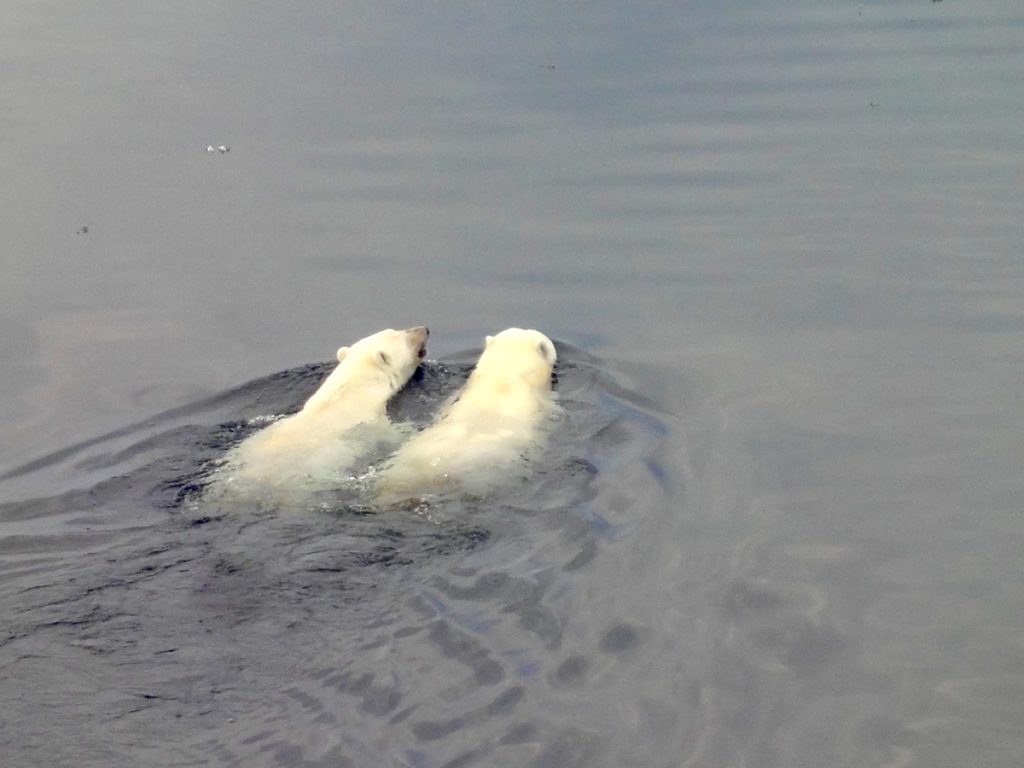
Polar bears are heavily dependent on the ice for hunting seals, their main source of food. A new study in the science journal Nature predicts the Arctic could be ice-free in late summer by the 2030s. (File photo)
The Arctic could see late summers that are ice-free as early as the 2030s, a new study suggests.
That’s 10 years sooner than previous environmental models projected, according to the science journal Nature, which published the findings Tuesday.
Ice models vary based on what is or isn’t done to combat climate change. This study concludes that regardless of what action is taken, the Arctic will see less ice, and sooner.
Arctic ice melt follows a cycle that starts in the summer and reaches its peak in September. Ice begins to build up again as the weather turns cooler.
This key period in September is when scientists first expect to see an ice-free Arctic.
As time goes on, the length of ice-free periods is projected to grow. The new modelling includes a worst-case scenario that if climate change continues unabated, the Arctic could be partially or completely ice-free from June to October by the 2100s.
Previous, more conservative estimates by the Intergovernmental Panel on Climate Change have predicted, regardless of the conditions, ice-free Septembers by between 2081 and 2100, according to the study.
These conclusions were published in the panel’s Sixth Assessment Report of the United Nations, which interprets scientific, technical and socioeconomic data on climate change.
A previous study from 2020 shares some of Nature’s conclusions.